Inflation-Proofing Your Lifestyle
How to Protect Your Purchasing Power Over Time
Advertising
Inflation quietly erodes purchasing power. Prices rise, dollars buy less, and expenses that once felt manageable slowly strain your budget. While inflation is unavoidable, financial vulnerability is not.
Inflation-proofing your lifestyle isn’t about extreme frugality—it’s about making intentional choices that reduce exposure to rising costs while preserving flexibility and quality of life.
In this article, you’ll learn:
Lifestyle choices that help protect purchasing power
When long-term contracts beat variable costs
How to save and invest during inflation
How to adjust your budget in high-inflation environments
🧠 Lifestyle Choices That Protect Purchasing Power
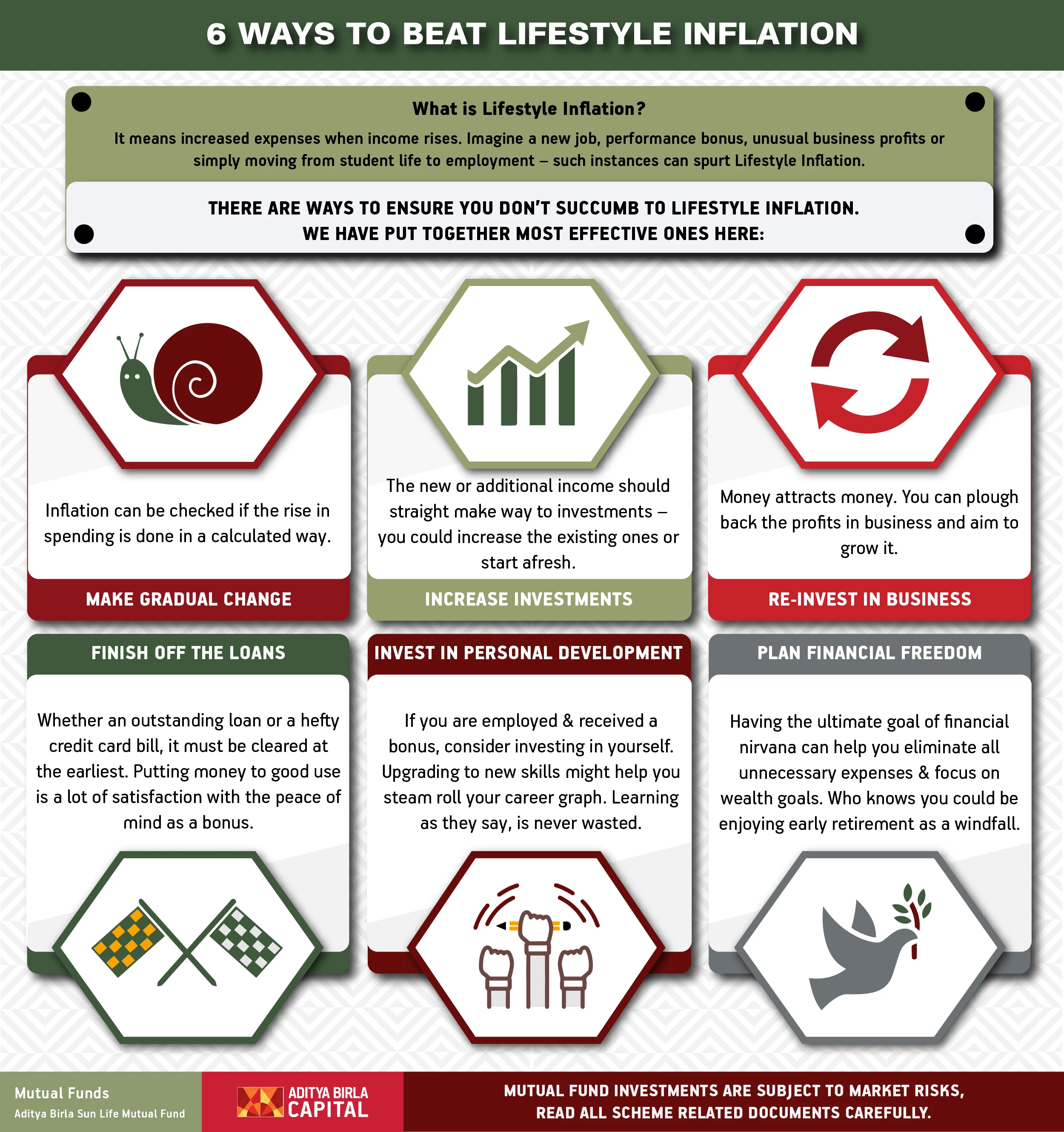
Your lifestyle decisions determine how exposed you are to inflation. Some expenses rise faster than others—and some choices naturally offer protection.
Inflation-resilient lifestyle traits:
- Lower fixed costs relative to income
- Flexible housing choices
- Minimal reliance on debt with variable rates
- Skills and income that can grow over time
Examples of smart lifestyle choices:
- Living below your means even as income grows
- Choosing housing that leaves room in your budget
- Avoiding lifestyle inflation after raises
- Investing in skills that increase earning power
👉 The most inflation-resistant lifestyle is one with margin.
📄 Long-Term Contracts vs. Variable Costs

One of the simplest ways to reduce inflation risk is understanding which expenses you can lock in and which fluctuate.
Expenses that benefit from long-term or fixed rates:
- Fixed-rate mortgages
- Long-term rental leases
- Fixed-rate student loans
- Internet or mobile plans with locked pricing
When inflation rises, fixed costs become cheaper in real terms over time.
Expenses vulnerable to inflation:
- Variable-rate debt
- Utilities
- Food and groceries
- Fuel and transportation
- Insurance premiums
Smart strategy:
- Lock in fixed costs when possible
- Reduce reliance on variable expenses
- Build buffers for costs you can’t control
👉 Predictability is a powerful hedge against inflation.
📈 Investing and Saving During Inflation

Holding too much cash during inflation can quietly destroy value. At the same time, investing without a plan can increase stress.
Smart saving strategies:
- Keep short-term cash in high-yield savings accounts
- Maintain emergency funds—but avoid excess idle cash
- Separate long-term money from short-term needs
Investing principles during inflation:
- Focus on long-term growth, not short-term headlines
- Diversify across asset classes
- Avoid panic selling during market volatility
- Continue investing consistently
Historically, assets like equities and real assets have outpaced inflation over long periods, while cash has not.
👉 Inflation rewards ownership, not idle money.
🔄 Adjusting Budgets in High-Inflation Environments
Budgets created in low-inflation periods often fail during inflationary spikes. Flexibility becomes essential.
How to adapt your budget:
Recalculate expenses quarterly instead of annually
Track price increases by category
Separate essential and discretionary spending clearly
Increase sinking funds for volatile categories
Categories that often need adjustment:
- Groceries
- Utilities
- Transportation
- Insurance
- Childcare and education
Budgeting mindset shift:
Instead of asking “What did I spend last year?”
Ask “What will this realistically cost now?”
👉 Inflation-aware budgeting is dynamic, not static.
🧱 Building Inflation-Resistant Financial Habits

Habits matter more than tactics when inflation persists.
Habits that protect purchasing power:
- Reviewing expenses regularly
- Negotiating recurring bills
- Avoiding unnecessary subscriptions
- Increasing income alongside saving
- Maintaining financial flexibility
People who adapt quickly tend to feel less financial stress—even when prices rise.
👉 Inflation punishes rigidity and rewards adaptability.
💼 Income Growth as an Inflation Defense
While cutting costs helps, income growth is the strongest long-term inflation defense.
Ways to strengthen income resilience:
- Invest in in-demand skills
- Negotiate pay periodically
- Diversify income streams
- Stay flexible in career choices
Wages that stagnate while prices rise create financial pressure. Careers that evolve reduce it.
👉 The most powerful inflation hedge is earning power.
🛡️ Inflation-Proofing Is About Balance

Inflation-proofing doesn’t mean eliminating enjoyment or comfort. It means making choices that age well financially.
A resilient lifestyle:
- Has breathing room
- Avoids unnecessary fixed obligations
- Adjusts as conditions change
- Prioritizes long-term stability over short-term habits
✅ Final Thoughts
Inflation isn’t temporary noise—it’s a recurring reality. But rising prices don’t have to dictate your financial future.
By choosing an inflation-resilient lifestyle, locking in fixed costs where possible, investing intentionally, and adjusting budgets proactively, you can protect your purchasing power and reduce financial stress.
Inflation-proofing your lifestyle isn’t about fear—it’s about preparedness and flexibility.
When prices rise, those with margin, adaptability, and long-term thinking don’t just survive—they stay in control.