Emergency Funds and Financial Resilience
How to Protect Your Finances When Life Happens
Financial emergencies don’t come with warnings. A job loss, medical bill, car repair, or unexpected move can quickly turn into a financial crisis if you’re unprepared. In the United States—where healthcare is expensive, income can be volatile, and credit is easy to access—having an emergency fund is one of the most important pillars of financial resilience.
An emergency fund doesn’t just protect your bank account. It protects your mental health, long-term goals, and financial independence.
- In this article, you’ll learn:
- How much emergency savings you really need in the U.S.
- Where to keep your emergency fund
- Why an emergency fund is better than relying on credit cards
- How to rebuild savings after a financial setback
💰 How Much Emergency Savings Do You Really Need in the U.S.?


The most common recommendation is to save three to six months of essential expenses, but the right amount depends on your personal situation.
Start with expenses, not income
Your emergency fund should cover necessary living costs, such as:
- HouUtilities
- Food
- Transportation
- Insurance
- Minimum debt payments
If your essential expenses total $3,000 per month, a fully funded emergency fund would range from $9,000 to $18,000.
Factors that affect how much you need
You may need more than six months if:
- You’re self-employed or a freelancer
- Your income is commission-based or seasonal
- You support dependents
- You live in a high-cost city
- You work in an unstable industry
You may be able to start with three months if:
- You have a stable job
- You live in a dual-income household
- You have low fixed expenses
👉 The goal isn’t perfection—it’s progress. Even $1,000 can prevent a minor emergency from becoming a major financial setback.
Also check out: Inflation-Proofing Your Lifestyle
🏦 Where to Keep Your Emergency Fund


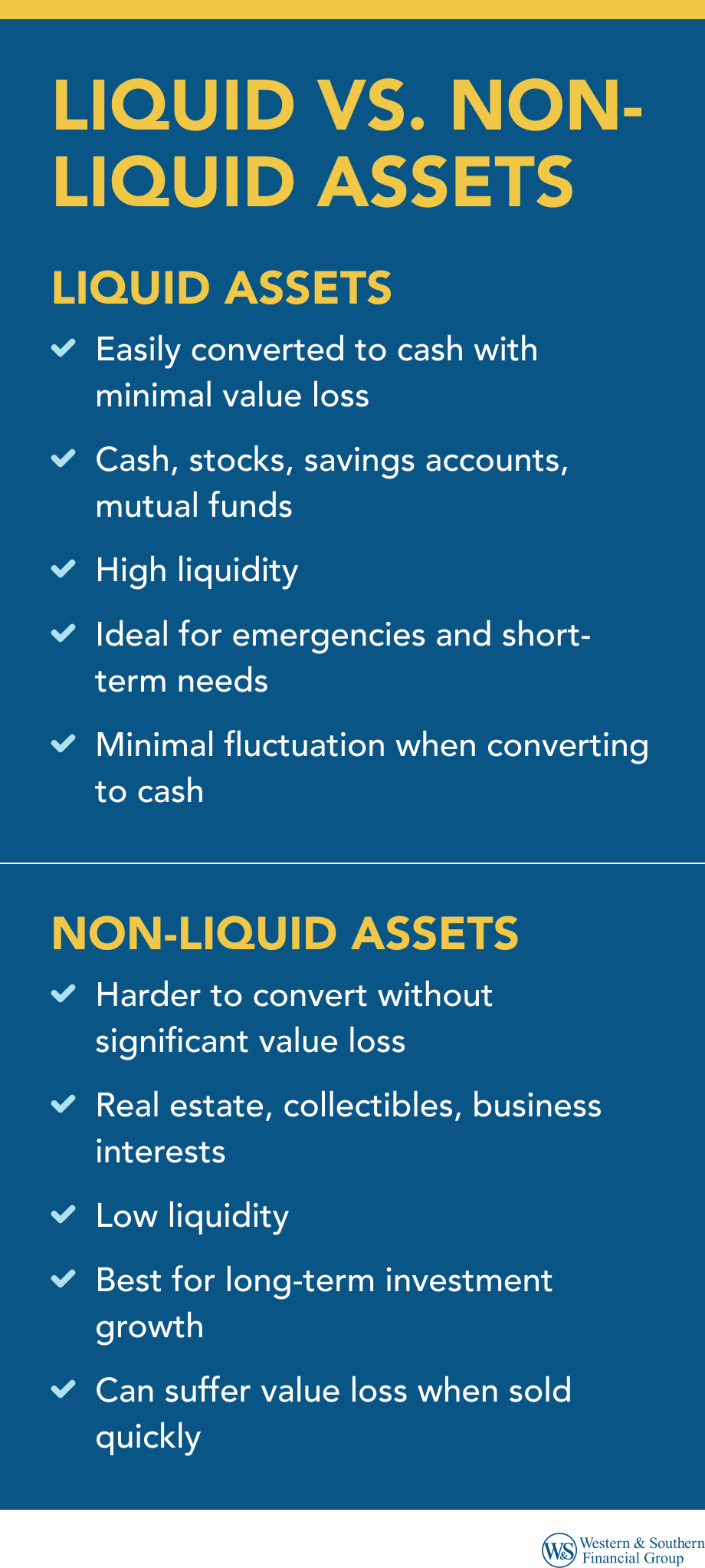
An emergency fund must be safe, liquid, and accessible. This money is not meant to grow aggressively—it’s meant to be there when you need it.
Best places to keep an emergency fund
High-yield savings accounts are usually the best option:
- FDIC insured
- Easy access to funds
- Earn more interest than traditional savings accounts
- No market risk
Other acceptable options:
- Regular savings accounts
- Money market accounts
Where NOT to keep your emergency fund
Avoid placing emergency savings in:
- Stocks or ETFs
- Cryptocurrency
- Retirement accounts
- Long-term CDs with penalties
👉 If your money can lose value or is hard to access quickly, it’s not suitable for emergencies.
Also check out: Debt Management and Smart Borrowing
💳 Emergency Fund vs. Credit Cards


Many people rely on credit cards as a backup plan—but credit is not the same as savings.
Why credit cards are risky in emergencies
- High interest rates (often 20%+)
- Monthly payments reduce future cash flow
- Debt can linger long after the emergency ends
- Credit limits can be reduced or frozen
Why an emergency fund is superior
- No interest or repayment stress
- Full control over your money
- Protects your credit score
- Prevents emotional decision-making
👉 Credit cards can be a short-term bridge, but emergency funds are the foundation.
The strongest financial position is having both: an emergency fund to avoid debt and credit available for true last-resort situations.
🔄 Rebuilding Savings After a Financial Setback
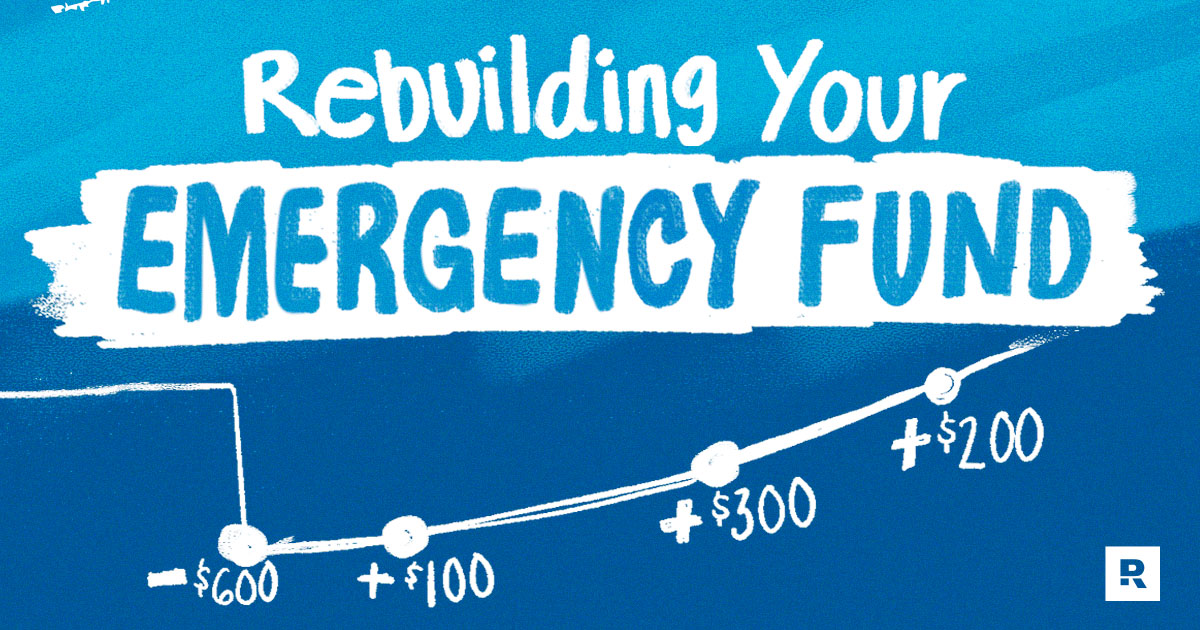

Using your emergency fund means it worked—but the next step is rebuilding it.
Step 1: Reset expectations
After a setback, rebuilding savings may feel overwhelming. Start small. The goal is consistency, not speed.
Step 2: Re-establish a starter fund
Aim first for:
- $500
- Then $1,000
- Then one month of expenses
This creates immediate protection while you rebuild fully.
Step 3: Automate savings again
Once income stabilizes:
- Set automatic transfers
- Treat savings like a fixed bill
- Save right after payday
Step 4: Review what caused the emergency
Ask:
- Was it income-related, medical, housing, or debt-driven?
- Could insurance or planning reduce future risk?
👉 Emergencies are learning opportunities—not failures.
🧠 Emergency Funds and Financial Resilience


Financial resilience isn’t about avoiding hardship—it’s about recovering faster.
An emergency fund:
- Reduces financial stress
- Gives you flexibility in bad situations
- Protects long-term goals like retirement and investing
- Prevents one emergency from turning into years of debt
People with emergency savings are more likely to:
- Stay invested during downturns
- Avoid high-interest debt
- Make rational decisions under pressure
👉 Financial resilience is built before you need it.
✅ Final Thoughts
Emergency funds aren’t exciting—but they are essential. In the U.S., where unexpected expenses are common and safety nets are limited, an emergency fund is one of the most powerful tools for financial stability.
You don’t need to save everything at once. Start where you are, build gradually, and remember: the purpose of an emergency fund isn’t to make you rich—it’s to keep you from becoming financially fragile.
Preparedness is freedom. And an emergency fund is where that freedom begins.