Investing in the U.S. Financial Market
A Beginner’s Guide
The United States has one of the largest and most accessible financial markets in the world. Whether your goal is to build long-term wealth or generate additional income, understanding how investing works in the U.S. is essential.
In this article, you’ll learn:
- How to start investing in the U.S. stock market
- Popular ETFs in the United States
- The difference between stocks, ETFs, and mutual funds
- Long-term investing vs. day trading
📈 How to Start Investing in the U.S. Stock Market



Getting started in the U.S. stock market is easier than many people think, especially with modern online brokerages.
Step 1: Open a Brokerage Account
Choose a U.S.-based brokerage that fits your needs. Many platforms offer:
- No commission trades
- Low minimum investment
- Easy-to-use apps
You’ll typically need:
- A Social Security Number (SSN) or ITIN
- A U.S. bank account
Step 2: Define Your Investment Goals
Before investing, ask yourself:
- Are you investing for retirement, a home, or long-term growth?
- What is your risk tolerance?
Your goals will determine your investment strategy.
Step 3: Start Small and Stay Consistent
You don’t need a large amount of money to begin. Consistent investing over time is more important than timing the market.
📊 Popular ETFs in the U.S. Market
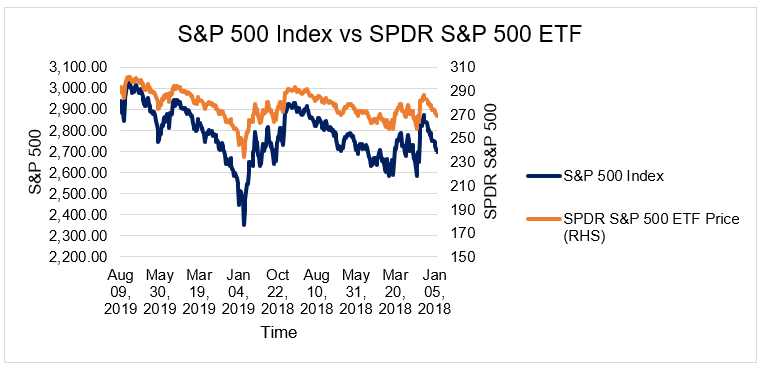


ETFs (Exchange-Traded Funds) are among the most popular investment vehicles in the U.S. due to their simplicity and diversification.
Common U.S. ETFs:
- S&P 500 ETFs – Track the 500 largest U.S. companies
- Nasdaq-100 ETFs – Focus on technology and growth companies
- Total Market ETFs – Provide exposure to the entire U.S. stock market
- Bond ETFs – Add stability and income
ETFs are widely used by beginners and experienced investors alike.
🔍 Stocks vs. ETFs vs. Mutual Funds
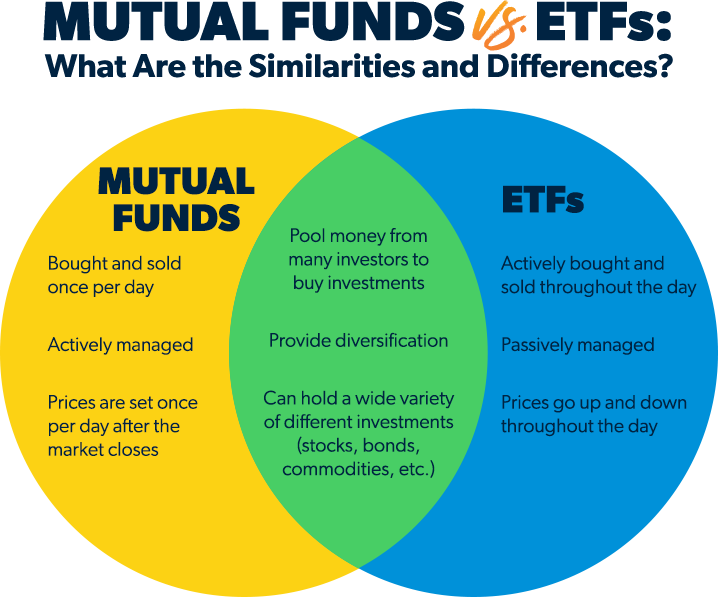

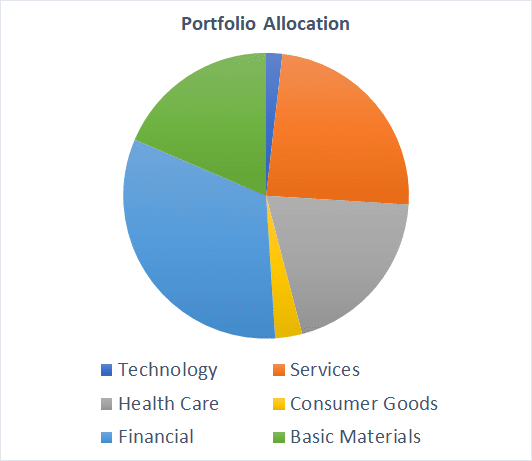
Understanding the differences between investment types helps you build a balanced portfolio.
Stocks
- Ownership in a single company
- Higher potential returns
- Higher volatility and risk
ETFs
- A collection of multiple assets
- Lower risk through diversification
- Traded like stocks during market hours
Mutual Funds
- Professionally managed portfolios
- Often higher fees
- Trades occur once per day
👉 ETFs are often preferred for their low cost, flexibility, and diversification.
⏳ Long-Term Investing vs. Day Trading

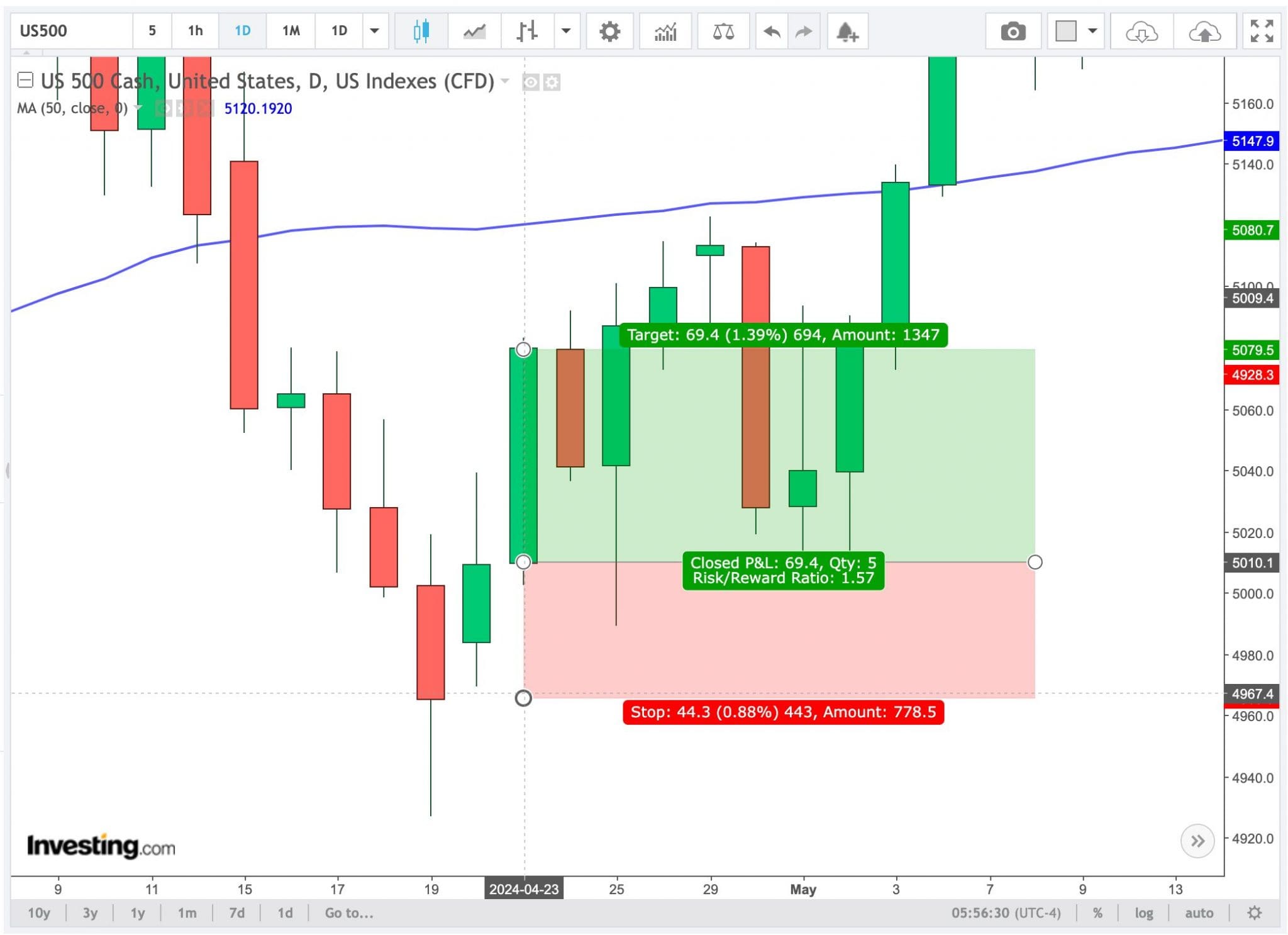
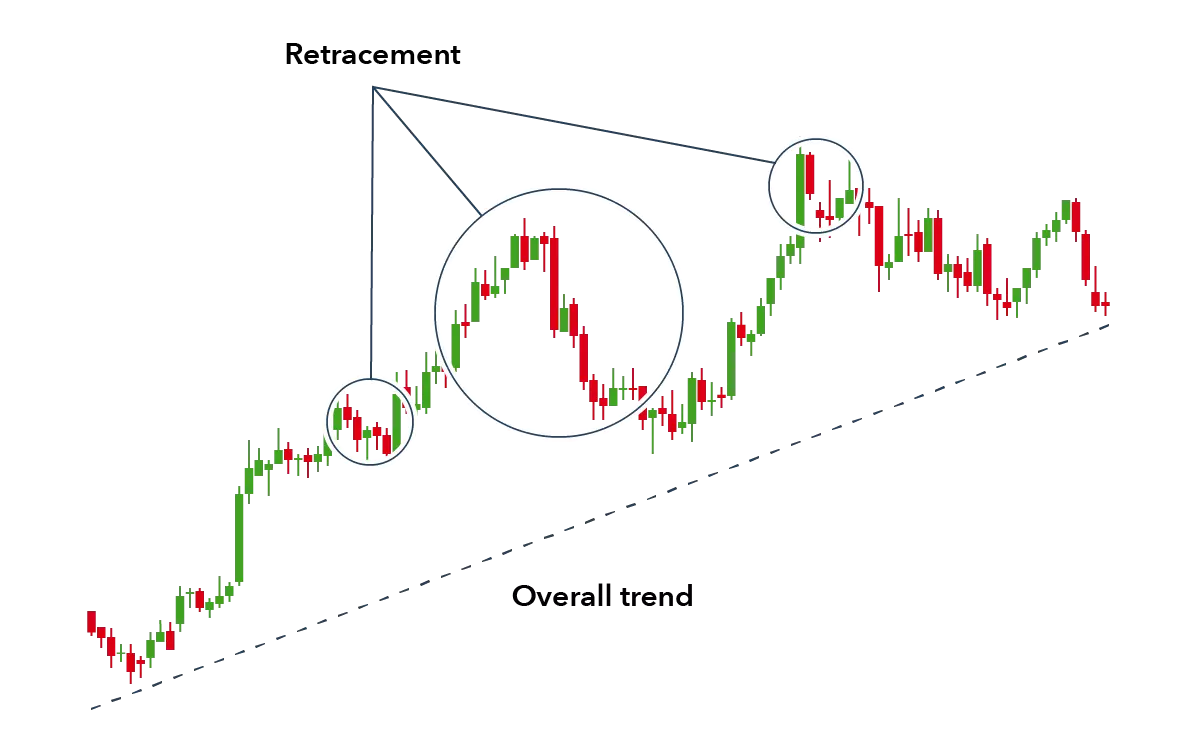
Investors often choose between long-term investing and day trading, but these strategies are very different.
Long-Term Investing
- Focus on years or decades
- Benefits from compound growth
- Lower stress and fewer transactions
- Historically proven to build wealth
Day Trading
- Buying and selling within the same day
- High risk and emotional pressure
- Requires experience, discipline, and constant monitoring
- Most beginners lose money
👉 For most investors, long-term investing is the safer and more effective strategy.
✅ Final Thoughts
The U.S. financial market offers countless opportunities, but success depends on education, discipline, and patience. Starting early, diversifying investments, and focusing on long-term goals are key principles for building wealth.
Whether you’re new to investing or refining your strategy, understanding how the market works is the first step toward financial independence.