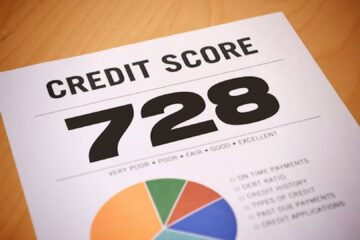
How to Build Credit from Scratch
Advertising
Building credit in the United States can feel confusing—especially if you are just starting out.
Whether you are a young adult, a recent immigrant, or someone who has never used credit before,
understanding how the system works is essential. Your credit score affects your ability to rent an
apartment, finance a car, qualify for loans, and even secure certain jobs. The good news is that
building credit from zero is absolutely possible with the right strategy and patience.
This guide explains how the FICO score works, the best beginner credit cards, the mistakes that hurt
your score, and how long it typically takes to build good credit.
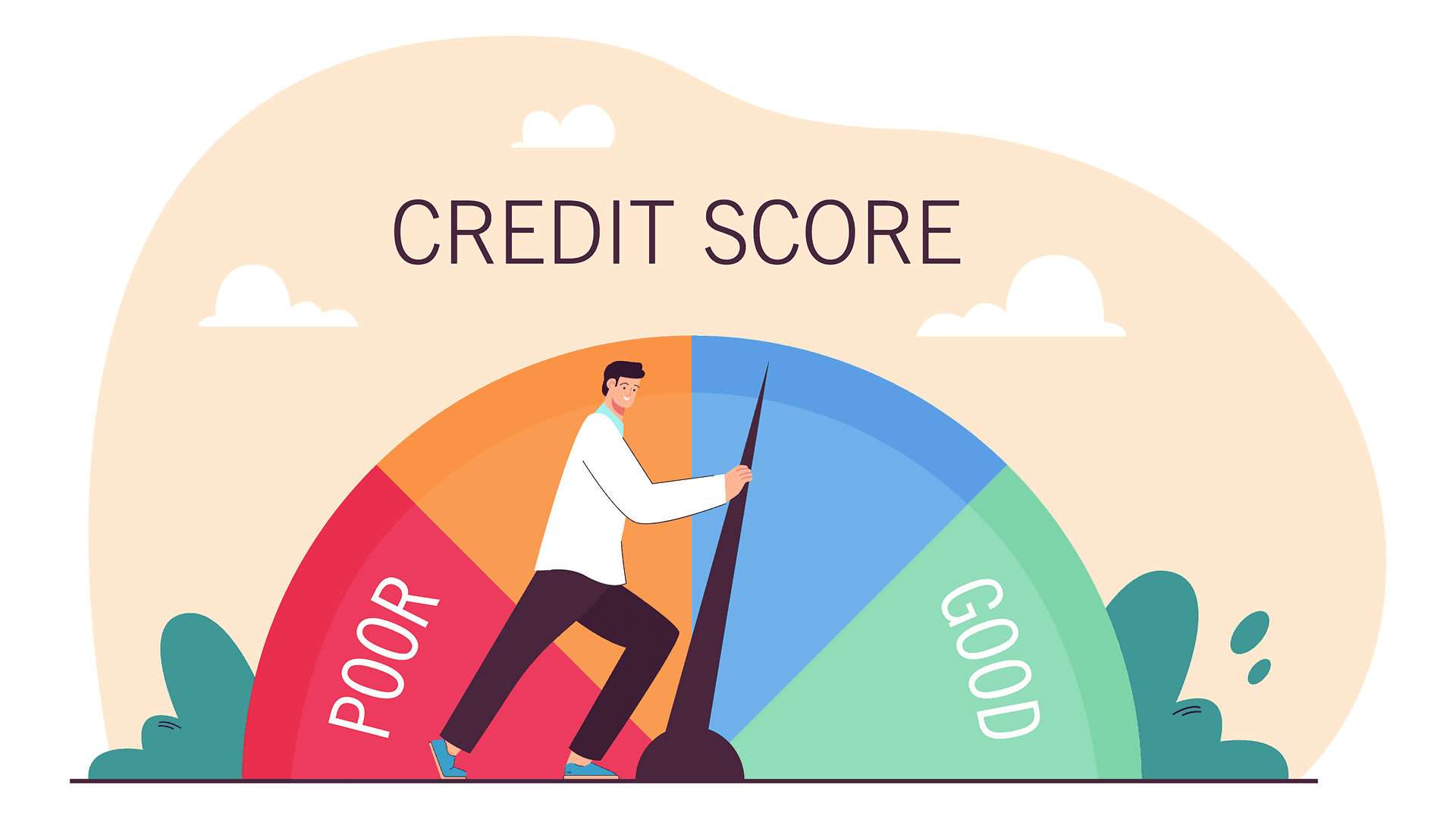
Understanding How the FICO Score Works
The most widely used credit scoring model in the United States is the FICO score. It ranges from
300 to 850, and the higher your score, the more trustworthy you appear to lenders.
Your FICO score is calculated based on five main factors:
1. Payment History (35%)
This is the most important factor. It tracks whether you pay your bills on time. Even one late payment
can significantly damage your score. Consistent on-time payments build strong credit over time.
2. Credit Utilization (30%)
This measures how much of your available credit you are using. For example, if your credit limit is
$1,000 and you carry a $500 balance, your utilization is 50%. Experts recommend keeping utilization below
30%, and ideally under 10% for best results.
3. Length of Credit History (15%)
The longer your accounts have been open, the better. This is why starting early is beneficial. Closing
old accounts can sometimes hurt your score because it shortens your average credit age.
4. Credit Mix (10%)
Having different types of credit—such as credit cards, auto loans, or student loans—can help your score.
However, beginners should not rush to open many accounts just for variety.
5. New Credit Inquiries (10%)
Every time you apply for credit, a hard inquiry appears on your report. Too many applications in a short
period can temporarily lower your score.
Understanding these factors gives you a roadmap for building credit effectively.
Best Credit Cards for Beginners
If you have no credit history, lenders consider you a higher risk. Fortunately, several types of starter
cards are designed specifically for beginners.
Secured Credit Cards
Secured cards are often the easiest way to start. You provide a refundable security deposit (usually
$200–$500), which becomes your credit limit. Because the issuer has collateral, approval is much easier.
Why secured cards work well:
- High approval odds
- Reports to credit bureaus
- Helps establish payment history
- Deposit is usually refundable later
Use the card for small purchases and pay the balance in full each month.
Student Credit Cards
If you are enrolled in college, student cards are another good entry point. These typically have lower
credit limits, fewer approval requirements, and sometimes basic rewards.
Authorized User Strategy
Another powerful method is becoming an authorized user on someone else’s credit card—usually a parent
or trusted family member with excellent credit. When done correctly, you can benefit from their long
credit history, positive payment record, and low utilization. Choose carefully, though: if the primary
user misses payments, your credit can also be affected.
Common Mistakes That Hurt Your Credit Score
Many beginners damage their credit without realizing it. Avoiding these mistakes can save you months—or
even years—of recovery time.
Missing Payments
Payment history is the biggest factor in your score. Even one payment that is 30 days late
can significantly lower your credit. To avoid this, set up autopay, use calendar reminders, and always
pay at least the minimum amount due.
Maxing Out Your Credit Card
Using too much of your available credit signals risk to lenders. Even if you pay in full later, high
utilization reported to the bureaus can hurt your score. Keep balances under 30%, and ideally under 10%.
If needed, make mid-cycle payments to keep utilization low.
Applying for Too Many Cards at Once
Each application creates a hard inquiry. Multiple inquiries in a short time can lower your score and make
lenders nervous. Apply slowly and strategically, and wait at least 3–6 months between applications.
Closing Old Accounts Too Early
Many people think closing unused cards helps their credit. Often, the opposite is true. Closing accounts
can shorten your credit history, increase your utilization ratio, and lower your score. If a card has no
annual fee, keeping it open is usually better.
Carrying a Balance Unnecessarily
There is a persistent myth that you must carry a balance to build credit. This is false. Interest charges
do not help your score. The ideal strategy is to use the card, let the statement generate, and pay the full
balance by the due date.
How Long Does It Take to Build Credit?
Building credit is a marathon, not a sprint. However, progress can happen faster than many people expect.
Typical timeline:
- 1–3 months: You establish your first tradeline
- 3–6 months: You generate your first FICO score
- 6–12 months: Noticeable score improvement with good habits
- 12–24 months: Potential to reach good credit range (670+)
- 24+ months: Opportunity for excellent credit (740+)
Your exact timeline depends on consistency, utilization, and payment history.
A Simple Step-by-Step Plan
If you are starting from zero, follow this proven path:
- Step 1: Open a secured or beginner credit card
- Step 2: Use it for small monthly purchases
- Step 3: Keep utilization below 30% (preferably under 10%)
- Step 4: Pay the full balance on time every month
- Step 5: Avoid new applications for at least 6 months
- Step 6: Monitor your credit report regularly
Repeat these habits consistently, and your score will grow.
FAQ
Can I build credit without a credit card?
Yes, but it is harder. Some alternatives include credit-builder loans, reporting rent payments, or becoming
an authorized user. However, a starter credit card remains the fastest and most common method.
What is a good credit score in the U.S.?
Generally: 300–579 (Poor), 580–669 (Fair), 670–739 (Good), 740–799 (Very Good), 800–850 (Excellent). Most
lenders consider 670+ to be good credit.
Should I pay my credit card multiple times per month?
It can help keep your utilization low, which may improve your score. Many credit builders make mid-cycle
payments for this reason.
How many credit cards should a beginner have?
Start with one. After 6–12 months of positive history, you may consider adding another if it fits your
financial goals.
Does checking my own credit score hurt it?
No. Checking your own score is a soft inquiry and does not affect your credit.
Conclusion
Building credit from zero in the United States may seem intimidating, but it becomes straightforward once
you understand the system. Your FICO score is primarily driven by consistent on-time payments, low credit
utilization, and the age of your accounts. Starting with a secured or beginner credit card is often the
most reliable first step.
The biggest mistakes to avoid are missing payments, maxing out your card, applying for too much credit too
quickly, and closing old accounts prematurely. With disciplined habits, most people can generate a credit
score within six months and reach good credit within one to two years.
The key is consistency and patience. Treat your credit card like a debit card, spend only what you can
afford to pay off in full, and monitor your progress regularly. Over time, strong credit will open doors
to better loan rates, premium credit cards, and greater financial flexibility in the United States.