Credit, Debt, and Credit Scores
How Americans Are Ruining — or Saving — Their Finances
Few things cause more financial stress in the United States than credit.
For many Americans, credit determines whether they can rent an apartment, buy a car, qualify for a mortgage, or even get a job. Yet despite how powerful the credit system is, it remains widely misunderstood — and that misunderstanding is costing people thousands of dollars over their lifetime.
In 2026, credit card balances are high, Buy Now Pay Later plans are everywhere, and anxiety around credit scores is at an all-time peak. Some Americans are quietly improving their financial lives. Others are digging deeper holes without realizing it.
The difference usually comes down to knowledge, habits, and timing.
Why the U.S. Credit System Creates So Much Anxiety
The American credit system is built on scoring models, not common sense.
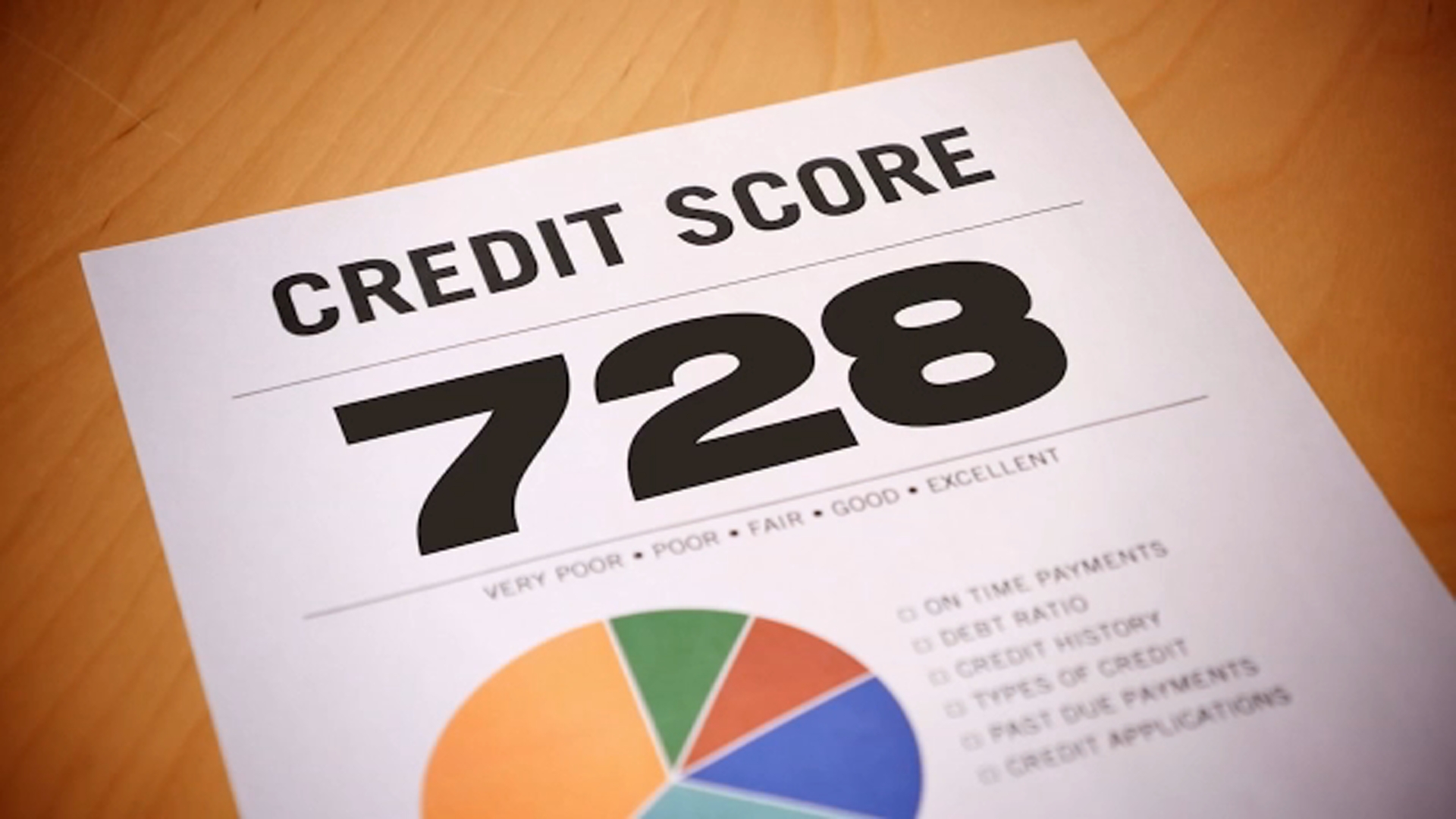
Your credit score — most commonly calculated using models developed by FICO — is influenced by factors most people never learned about in school:
- Payment history
- Credit utilization
- Length of credit history
- Credit mix
- New credit inquiries
Miss one payment, max out one card, or apply for too much credit too quickly, and your score can drop fast. Rebuilding it, however, takes time — sometimes years.
This imbalance creates fear, confusion, and avoidance. Many Americans either obsess over their score or avoid looking at it entirely. Both extremes can be harmful.
Common Mistakes That Destroy Credit Scores
Most credit damage doesn’t come from one catastrophic decision. It comes from small, repeated mistakes that compound over time.
Carrying High Credit Card Balances
One of the biggest score killers is high credit utilization — using too much of your available credit.
Even if you pay on time, consistently carrying balances above 30% of your credit limit can drag your score down. Maxed-out cards signal financial stress to lenders, regardless of your intentions.
Also read: How Gen Z Is Investing in 2026
Missing Payments by “Just a Few Days”
Payment history is the most important factor in your credit score. A single missed payment can stay on your credit report for years.
Many people underestimate how quickly a forgotten bill turns into long-term damage.
Closing Old Credit Accounts
It sounds responsible, but closing old cards can shorten your credit history and increase utilization — both negative signals. In many cases, keeping an old account open (even unused) is better for your score.
Applying for Too Much Credit at Once
Each hard inquiry slightly lowers your score. Multiple inquiries in a short period can make you look risky to lenders, even if you’re financially stable.
Credit Cards: Villains or Allies?
Credit cards get a bad reputation — but they are not inherently bad.
In fact, when used correctly, credit cards are one of the most powerful financial tools available in the U.S.
When Credit Cards Become a Problem
Credit cards turn into villains when:
- Balances are carried month to month
- Spending is disconnected from income
- Cards are used to cover lifestyle gaps
High interest rates mean that unpaid balances grow quickly. Over time, minimum payments keep people stuck in debt cycles that feel impossible to escape.
When Credit Cards Work in Your Favor
Used responsibly, credit cards can:
- Build strong credit history
- Offer fraud protection
- Provide cash back or travel rewards
- Improve cash flow flexibility
The key rule is simple but hard to follow: never spend money you can’t pay off in full.
Credit cards don’t create financial problems — they amplify existing habits.
Buy Now Pay Later (BNPL): A Modern Trap?
Buy Now Pay Later services have exploded in popularity, especially among younger consumers. They promise convenience, flexibility, and “interest-free” payments.
But BNPL comes with hidden risks.
Why BNPL Feels Harmless
- Payments are small
- Approval is easy
- No traditional credit card required
This lowers psychological resistance to spending. People buy more — and more often — than they normally would.
The Real Risk
BNPL plans:
- Fragment your debt across multiple platforms
- Make it harder to track total obligations
- Can lead to missed payments if cash flow tightens
While some BNPL activity doesn’t immediately affect your credit score, late payments increasingly do. And the habit of stacking micro-debts can quietly destabilize finances.
BNPL isn’t evil — but it’s dangerous when used without a clear plan.
Real Strategies to Get Out of Debt
There is no single perfect method for debt payoff — but there are proven approaches that work when applied consistently.
1. Get Clear on the Numbers
You can’t fix what you don’t measure. List:
- Every debt
- Interest rates
- Minimum payments
- Due dates
Clarity reduces anxiety and restores control.
2. Choose a Payoff Strategy
Two common methods:
- Debt Snowball: Pay smallest balances first for motivation
- Debt Avalanche: Pay highest interest rates first for efficiency
Both work. The best one is the one you’ll stick to.
3. Stop Adding New Debt
This is often the hardest step. Debt payoff fails when spending behavior doesn’t change. That may require:
- Reducing discretionary spending
- Using cash or debit temporarily
- Removing saved card information online
4. Negotiate When Possible
Many lenders will:
- Lower interest rates
- Offer hardship programs
- Create payment plans
Asking costs nothing — and can save thousands.
Saving Your Credit Is About Habits, Not Hacks
There are no shortcuts to a strong credit profile.
The people who improve their credit over time tend to:
- Pay bills automatically
- Keep utilization low
- Use credit intentionally
- Monitor their reports regularly
They don’t chase hacks. They build systems.
In the U.S., where credit touches nearly every aspect of adult life, financial freedom isn’t just about income — it’s about credit behavior.
Final Thoughts
Americans aren’t bad with credit because they’re irresponsible. They struggle because the system is complex, opaque, and emotionally charged.
But credit doesn’t have to be a source of fear.
With education, awareness, and a few disciplined habits, the same system that traps people in debt can become a tool for stability, opportunity, and long-term security.
Credit can ruin your finances — or quietly save them.
The difference is learning how it actually works.