Investing for Beginners and Intermediate Investors
How to Grow Your Money the Smart Way
Advertising
Investing is one of the most powerful tools for building long-term wealth, yet it’s also one of the most misunderstood. Many people delay investing because they believe it’s too risky, too complex, or only for those with a lot of money. Others jump in too quickly, expecting fast results, and end up frustrated when reality doesn’t match the hype.
The truth lies somewhere in the middle. Investing is not a get-rich-quick scheme, but it is a proven way to make your money work for you over time. With the right mindset, basic knowledge, and realistic expectations, anyone can start investing — and do it responsibly.
This guide covers the fundamentals every beginner and intermediate investor should understand before putting money to work.

Fixed Income vs. Variable Income: Which One Should You Choose?
One of the first decisions investors face is choosing between fixed income and variable income investments. Understanding the difference is essential.
What is fixed income?
Fixed income investments are designed to provide predictable returns. You generally know how much interest you’ll earn and when you’ll receive it. Common examples include bonds, certificates of deposit (CDs), and Treasury securities.
Pros of fixed income:
- Lower risk compared to stocks
- More predictable returns
- Useful for capital preservation and stability
Cons of fixed income:
- Lower long-term returns
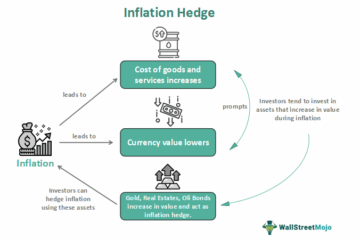
- May not keep up with inflation over time
Fixed income is often a good choice for conservative investors, short- to medium-term goals, or the portion of your portfolio meant to reduce volatility.
Also read the text: Inflation-Proofing Your Lifestyle
What is variable income?
Variable income investments, such as stocks and equity funds, have returns that fluctuate with the market. There are no guarantees, but the long-term growth potential is higher.
Pros of variable income:
- Higher potential returns over time
- Protection against inflation in the long run
- Ideal for long-term goals
Cons of variable income:
- Short-term volatility
- Emotional challenges during market downturns
Rather than choosing one or the other, most investors benefit from a mix of both, adjusted to their goals, time horizon, and risk tolerance.
How to Build Your First Investment Portfolio
A portfolio is simply a collection of investments working together. A good portfolio is not about picking “winning” assets — it’s about balance and strategy.
Step 1: Define your goals
Before investing a single dollar, ask yourself:
- What am I investing for?
- When will I need this money?
- How comfortable am I with ups and downs?
Long-term goals, such as retirement, can handle more risk. Short-term goals require more stability.
Step 2: Understand asset allocation
Asset allocation refers to how you divide your money among different types of investments, such as stocks, bonds, and cash.
A simple beginner-friendly allocation might look like:
- 60% variable income (stocks or equity funds)
- 30% fixed income (bonds or bond funds)
- 10% cash or equivalents
There is no perfect allocation — only what fits your situation.
Step 3: Diversify
Diversification means spreading your investments across different sectors, industries, and asset types. This reduces the impact of any single investment performing poorly.
Instead of buying a few individual stocks, many beginners start with broad-market funds, which offer instant diversification at low cost.
Step 4: Keep it simple
Complex strategies often lead to mistakes. A small number of well-chosen investments is usually better than a complicated portfolio you don’t fully understand.
Investing with Little Money: Myth or Reality?
One of the biggest myths about investing is that you need a large amount of money to start. In reality, starting small is not only possible — it’s common.
Why small amounts still matter
Thanks to compound growth, even modest investments can grow significantly over time. The key factors are time and consistency, not size.
For example, investing $100 per month consistently can produce meaningful results over decades, especially when reinvested.
Lower barriers than ever before
Today, many platforms allow:
- No minimum investment requirements
- Fractional shares of stocks and funds
- Low or zero trading commissions
This makes investing accessible to people at nearly any income level.
The real challenge: behavior
The hardest part of investing with little money is staying consistent and patient. Small balances can feel discouraging at first, but they are building the foundation for future growth.
Starting early — even with little — is far more powerful than waiting to invest “serious money” later.
Common Mistakes Every Beginner Investor Makes
Mistakes are part of learning, but many investing errors are avoidable with awareness.
Trying to time the market
Predicting short-term market movements is extremely difficult, even for professionals. Waiting for the “perfect moment” often leads to missed opportunities.
A consistent, long-term approach tends to outperform frequent buying and selling.
Chasing hype and trends
Hot stocks, viral investment tips, and guaranteed returns are red flags. By the time an investment becomes widely popular, much of the potential gain is already gone.
Sound investing is usually boring — and that’s a good thing.
Ignoring risk tolerance
Investing in assets that cause constant anxiety often leads to panic selling during downturns. Understanding your emotional comfort with risk is just as important as understanding numbers.
Lack of diversification
Putting too much money into one investment increases risk unnecessarily. Diversification protects you from severe losses and creates smoother long-term performance.
Expecting fast results
Investing rewards patience. Short-term volatility is normal, and progress is rarely linear. Unrealistic expectations are one of the main reasons people quit too early.
Investing Is a Process, Not a Shortcut
Successful investing is not about beating the market or finding secret strategies. It’s about:
- Clear goals
- Consistent contributions
- Long-term thinking
- Emotional discipline
You don’t need to start big, and you don’t need to be perfect. You just need to start with a plan and stick with it.
Over time, investing becomes less intimidating and more empowering. As your knowledge grows, so does your confidence — and your ability to make smarter financial decisions.
Final Thoughts
Investing is one of the most effective ways to build financial security, but only when approached with realism and discipline. There are no guarantees, no shortcuts, and no overnight success stories that last.
What does work is patience, diversification, and a strategy aligned with your life goals.
Start where you are. Invest what you can. Learn as you go.
Your future self will thank you.